How to Improve Your EPC Rating: A Landlord's Guide to Reaching C
Most landlords I speak to think EPC C means a heat pump. Usually it doesn't.
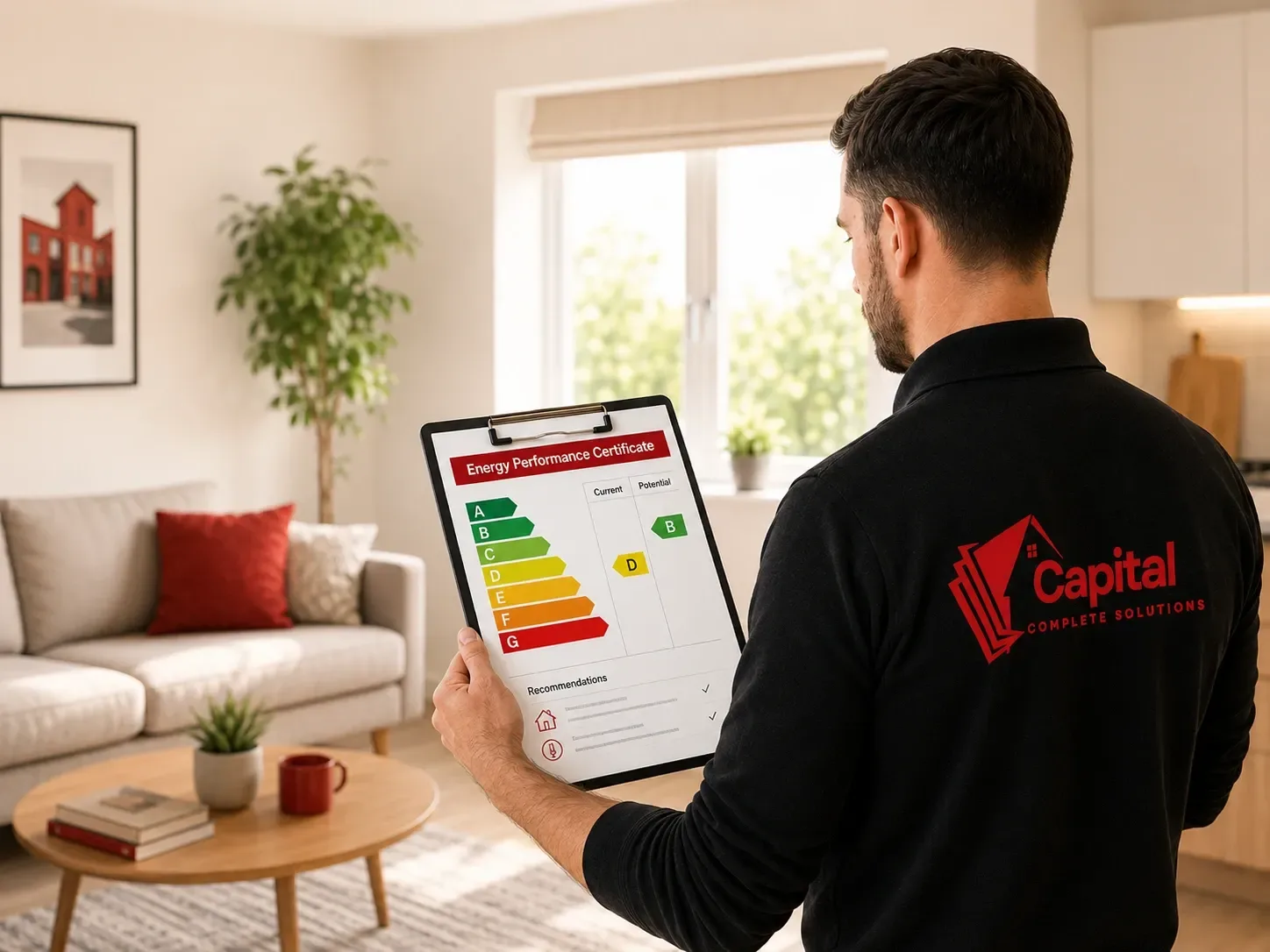
If you want to know how to improve your EPC rating, start with the certificate you already have. It tells you what to fix and in what order. Then do the cheap jobs first.
Every private rental in England and Wales must reach band C by 1 October 2030. This guide gives you practical EPC rating improvement tips for landlords: the work, the costs and the grants.
For the dates and rules, read our full EPC changes timeline. For the basics, see EPC explained.
Why is your EPC rating low?
Your EPC rating is based on the modelled cost of heating, hot water and lighting. So it drops when a home loses heat or costs a lot to heat.
The usual reasons
On older rental homes, the same problems come up again and again:
- A loft with little or no insulation.
- Walls with no insulation, either an empty cavity or solid brick.
- Single glazing, or gaps around doors and windows.
- An old boiler with no proper controls.
- Old electric storage or panel heaters.
Missing paperwork
Assessors need to see or prove what's there. They photograph the loft depth and look for signs of cavity fill. If insulation is hidden, they rely on guarantees or installer certificates. Without them, it may not be recorded. So keep that paperwork, and make sure the loft hatch is easy to reach.
How do you improve an EPC rating?
You improve an EPC rating by cutting the energy a home needs to stay warm. Insulate and draught-proof first. Then upgrade the heating and its controls. Add solar or a heat pump only if you're still short. When you're done, get a new EPC.
Start with your EPC's recommendations
Every EPC has a section called "Steps you could take to save energy". Some people call it the recommendations report. Few landlords I meet have read it.
Each step shows three things:
- Typical installation cost: a price range for the job.
- Typical yearly saving: what it could take off the bills.
- Potential rating after completing step: the score once that step, and the ones above it, are done. Band C starts at a score of 69. Read down the list until the potential rating reaches 69. Those steps are your shortest route to C.
You can look up any EPC free on the GOV.UK register by postcode. If yours is old, or work has been done since, get an EPC assessment before you spend. Reasonable assessment costs count towards the £10,000 cost cap.
Fix the fabric first
Fabric means the walls, roof, floors and windows. Fabric first is the safest order. It lifts today's rating. It also counts under the new-style EPCs expected in the second half of 2027. Under the government's plans, every rental must pass a fabric test before anything else.
Then sort the heating
A heating system works better in a home that holds its heat. So upgrade the heating once the fabric is done. Start with the controls, because they're cheap.
Which EPC improvements give the best value?
Loft insulation, heating controls and filling an empty cavity are usually the best value. Solid wall insulation, heat pumps and solar cost far more.
| Measure | Typical cost | Effect on today's rating | Fabric measure? |
|---|---|---|---|
| Hot water cylinder jacket | About £30 | Small | No |
| LED bulbs throughout | Low | Small | No |
| Draught-proofing | About £250 (professional) | Small | Yes |
| Heating controls | About £600 from scratch | Moderate if there are none | No |
| Loft insulation to 270mm | £600 to £750 | Big if the loft is bare or thin | Yes |
| Suspended timber floor insulation | £1,400 to £2,500 | Small to moderate | Yes |
| Cavity wall insulation | About £2,200 | Big if the cavity is empty | Yes |
| A-rated condensing boiler with controls | About £3,900 | Moderate to big if the boiler is old | No |
| A-rated double glazing | About £4,800 (semi) | Moderate if single glazed | Yes |
| Solar panels (typical home system) | About £7,600 | Moderate to big | No |
| Air source heat pump | About £12,000 before grants | Depends on the house | No |
| Solid wall insulation | £12,000 to £15,000 (semi) | Big | Yes |
Costs are Energy Saving Trust typical figures for Great Britain, checked in October 2026. Your own EPC shows the effect of each step on your property, in points.
What are the cheapest ways to improve an EPC rating?
The cheapest wins cost under £1,000 each. They're a loft top-up, heating controls, a cylinder jacket, draught-proofing and LED bulbs. Most fit easily between tenancies.
Top up the loft
Building regulations recommend at least 270mm of mineral wool. If your loft is bare or thin, this is usually the best value job in the house. A top-up from 120mm costs about £600. You can do it yourself if the loft is easy to reach and free of damp.
Fit proper heating controls
A programmer, room thermostat and thermostatic radiator valves (TRVs) stop the system wasting heat. A full set costs about £600 where there are none. TRVs alone cost about £370.
Insulate the hot water cylinder
A cylinder jacket costs about £30. Check any existing foam first. If it's thinner than 80mm, a jacket is worth adding.
Stop the draughts, but keep the vents
Draught-proofing doors and windows costs about £250 done professionally. Seal gaps around skirting boards too. Never block airbricks, trickle vents or extractor fans. A rental still needs to breathe.
Switch to LED bulbs
LEDs make a small difference to the rating. But they're cheap, and on a high D they can help tip you into C.
Which bigger jobs make the most difference?
Wall insulation and glazing make the bigger jumps. Floor insulation helps too, mostly in older houses. Check your recommendations before you book any of them.
Cavity wall insulation
Houses from the 1930s onwards often have cavity walls. Check whether yours were ever filled. Filling an empty cavity costs about £2,200. It's one of the best value jobs on the list.
Floor insulation
Insulating a suspended timber floor costs £1,400 to £2,500. It suits older houses with a void under the floorboards.
Double or secondary glazing
A-rated double glazing costs about £4,800 for a typical semi. It's worth it where the windows are still single glazed. In listed or conservation-area homes, secondary glazing is often the better option.
Solid wall insulation
This is the big one. It costs £12,000 to £15,000 for a typical semi. That's more than the whole £10,000 cap. The new standard includes an exemption for landlords who choose not to fit it and record that decision.
Should you replace the boiler or fit a heat pump?
A new boiler helps today's rating. A heat pump can help too, but it depends on the house. Neither should be your first job if the fabric is poor.
A new boiler
An A-rated condensing boiler with full controls costs about £3,900. On today's EPC, replacing an old boiler can lift the score.
The catch comes later. The government has proposed that, under the new metrics, a gas-boiler home couldn't reach C on the heating test. That's a proposal, not law.
A C lodged on today's system before 1 October 2029 counts until that EPC expires. So a boiler can get you over the line for now. Fabric work helps under both systems. A boiler alone may not.
A heat pump
A heat pump's effect on today's rating depends on the house. Ask your assessor to model it before you commit.
An air source heat pump costs about £12,000. Landlords who own the property can get £7,500 off through the Boiler Upgrade Scheme.
Do solar panels or a smart meter improve an EPC?
Solar panels can. A smart meter on its own won't change today's rating.
Solar panels
A typical home system costs about £7,600. Solar lifts today's rating. It's also a main smart readiness measure in the government's plans. In a flat, you'll usually need the freeholder's consent.
Smart meters
A smart meter helps tenants see what they use. But it doesn't change the modelled running costs, so today's rating stays the same. Under the plans for new-style EPCs, it's listed as a smart readiness feature.
How do you get from EPC D to C?
Work out the gap first. Band D runs from 55 to 68. A home scoring 66 needs three more points. A home scoring 56 needs thirteen.
For a high D, the cheap jobs above may be enough. A low D usually needs loft or cavity insulation as well. Your recommendations page shows which steps close the gap.
Once you reach C, lodge the new EPC before 1 October 2029. That C counts until the certificate expires. EPCs last up to 10 years.
From E, F or G to C
The gap is bigger, so expect wall insulation, glazing and heating work. Get independent advice before major work. An EPC records the home, but it isn't a full retrofit plan.
F and G homes can't be let today without a registered exemption. If you spend the £10,000 cap and still fall short, you can register a cost cap exemption.
How do you improve the EPC rating of a flat?
Focus on what you control inside the flat. That's usually the heating, controls, hot water, lighting and sometimes the windows. Walls, roofs and solar normally need the freeholder's agreement.
If the flat has electric storage heaters, check the recommendations. They may suggest high heat retention storage heaters.
If the freeholder or planning authority refuses consent, you can register a third-party consent exemption. Keep the refusal in writing.
What works for older houses in Birmingham?
Birmingham has many Victorian and inter-war terraces. They can reach C, but the route depends on the walls.
Victorian terraces usually have solid walls. So the cheaper wins matter more: loft, floors, draughts, glazing and controls. Inter-war and later houses often have cavities, so check those first.
On the properties we visit across Birmingham, the gap to C is rarely one big job. It's usually four or five small ones nobody got round to.
Can insulation cause damp in a rental?
It can, if it's done badly. Insulation and draught-proofing cut air movement. Without good ventilation, moisture builds up and condensation follows.
The Energy Saving Trust says wall insulation shouldn't go in until any damp is fixed. Keep airbricks, trickle vents and extractor fans working.
After any big job, keep an eye on the property. On routine inspections, we look for black mould around windows, closed trickle vents and extractor fans that don't work. Catching it early costs far less than a damp complaint.
What grants can landlords get for EPC improvements?
Some help exists, but every scheme has its own rules. Check before you plan around any grant. And be wary of cold calls promising free upgrades.
Boiler Upgrade Scheme
Landlords who own the property can apply when replacing fossil fuel heating. The grant is £7,500 towards an air source or ground source heat pump. Your installer applies for you. This grant doesn't count towards the £10,000 cap.
Warm Homes: Local Grant
This council-run scheme replaced the old Home Upgrade Grant. It covers homes rated D to G where the tenant's household is on a low income. Rented F and G homes also need a registered exemption.
Under the national rules, a landlord's first property can be fully funded. Further homes need a 50% landlord contribution. Birmingham City Council runs its scheme until 2028 in priority areas. Its page says landlords must contribute, so confirm the terms with the council first.
ECO4
ECO4 is due to close on 31 December 2026. Its rules are detailed. Ask your energy supplier or the council early if you think you qualify.
How much does it cost to reach EPC C?
It depends on where you start. The government estimates average spend at about £5,400 per property, once the cap is taken into account.
The £10,000 cost cap
You won't have to spend more than £10,000 per property, or 10% of its value if that's lower. Qualifying work from 1 October 2025 counts, and so do reasonable EPC assessment costs. Keep every invoice. If you spend the cap and still fall short, you can register an exemption that lasts 10 years.
Is the work tax deductible?
Some of it can be. HMRC generally treats a like-for-like replacement using modern materials as a repair. Its own example is swapping single glazing for double glazing. Genuine improvements are usually capital spending. Your accountant will know which is which.
How do you get the new rating on your EPC?
Book a new EPC once the work is finished. Your rating doesn't change until a new certificate is lodged on the register.
Have your invoices, guarantees and installer certificates ready. Make sure the assessor can get into the loft.
Don't wait for the new-style EPCs to do the work. They aren't expected until the second half of 2027, and installers will be busier by then. If you already hold a C lodged before October 2029, think twice before replacing it. A new EPC replaces the old one.
What should you do next?
- Find your EPC on the GOV.UK register. Note the score, band and expiry date.
- Read "Steps you could take to save energy". Find the step where the rating reaches 69.
- Price the fabric jobs first. Loft, cavity, floors, draughts and glazing.
- Check grants before you sign a quote.
- Keep every invoice from 1 October 2025. That spend counts towards the cap.
- Get reassessed and lodge the new EPC before 1 October 2029.
Sort your EPC and your tenancy paperwork in one go
We carry out EPC assessments across Birmingham, the West Midlands, Warwickshire, Staffordshire and Worcestershire. Assessed, produced and lodged on the national register.
- AIIC-accredited
- Same-day cover
FAQs
How can I improve my EPC rating cheaply?
Start with a loft top-up, heating controls, a cylinder jacket, draught-proofing and LED bulbs. Each costs under £1,000. Your EPC's recommendations show what each one adds for your property.
Why is my EPC rating so low?
The rating is based on the modelled cost of heating, hot water and lighting. Common causes are a thin loft, uninsulated walls, single glazing and an old boiler without controls. Missing paperwork for hidden insulation can also hold it back.
What is the quickest way to get from EPC D to C?
Check your score first, because band C starts at 69. Then follow your EPC's recommended steps until the potential rating reaches 69. For a high D, a few low-cost jobs can be enough.
Does loft insulation improve an EPC rating?
Yes, especially if the loft is bare or thin. The recommended depth is 270mm of mineral wool. A top-up from 120mm costs about £600.
Does double glazing improve an EPC rating?
It can, where the home still has single glazing. It costs about £4,800 for a typical semi. Secondary glazing is an option for listed or conservation-area homes.
Will a new boiler improve my EPC rating?
On today's EPC, a modern condensing boiler can lift the score. But the government has proposed that gas-boiler homes couldn't reach C on the heating test under the new metrics. Fabric work is the safer spend because it counts under both systems.
Does a heat pump improve an EPC rating?
It depends on the house, because today's rating is based on running costs. Heat pumps work best in a well-insulated home. Landlords can get £7,500 towards one through the Boiler Upgrade Scheme.
Does a smart meter improve an EPC rating?
Not on today's EPC. A smart meter doesn't change the modelled running costs. Under the plans for new-style EPCs, it counts as a smart readiness feature.
What grants can landlords get to improve EPC ratings?
The Boiler Upgrade Scheme gives £7,500 towards a heat pump. Warm Homes: Local Grant can help rented homes rated D to G with low-income tenants. ECO4 is due to close on 31 December 2026.
Do grants count towards the £10,000 cost cap?
Most government funding counts towards the cap. Boiler Upgrade Scheme grants don't. Reasonable EPC assessment costs count too.
How much does it cost to get a rental to EPC C?
The government estimates average spend at about £5,400 per property. You won't have to spend more than £10,000, or 10% of the home's value if that's lower. Spend from 1 October 2025 counts.
Are EPC improvements tax deductible for landlords?
Some can be. HMRC generally treats modern like-for-like replacements, such as double glazing for single, as repairs. Genuine improvements are usually capital, so check with your accountant.
Do I need a new EPC after making improvements?
Yes. Your rating only changes once a new EPC is lodged on the register. If you're relying on today's rating, get it lodged before 1 October 2029.
This article is general guidance for landlords and letting agents, not legal advice. For your specific duties, check current GOV.UK guidance or speak to a qualified professional. Costs, grants and EPC rules change often. This article reflects the position at 8 October 2026.
Written by
Founder, Capital Complete Solutions. AIIC-accredited property inventory and compliance specialists, Birmingham.