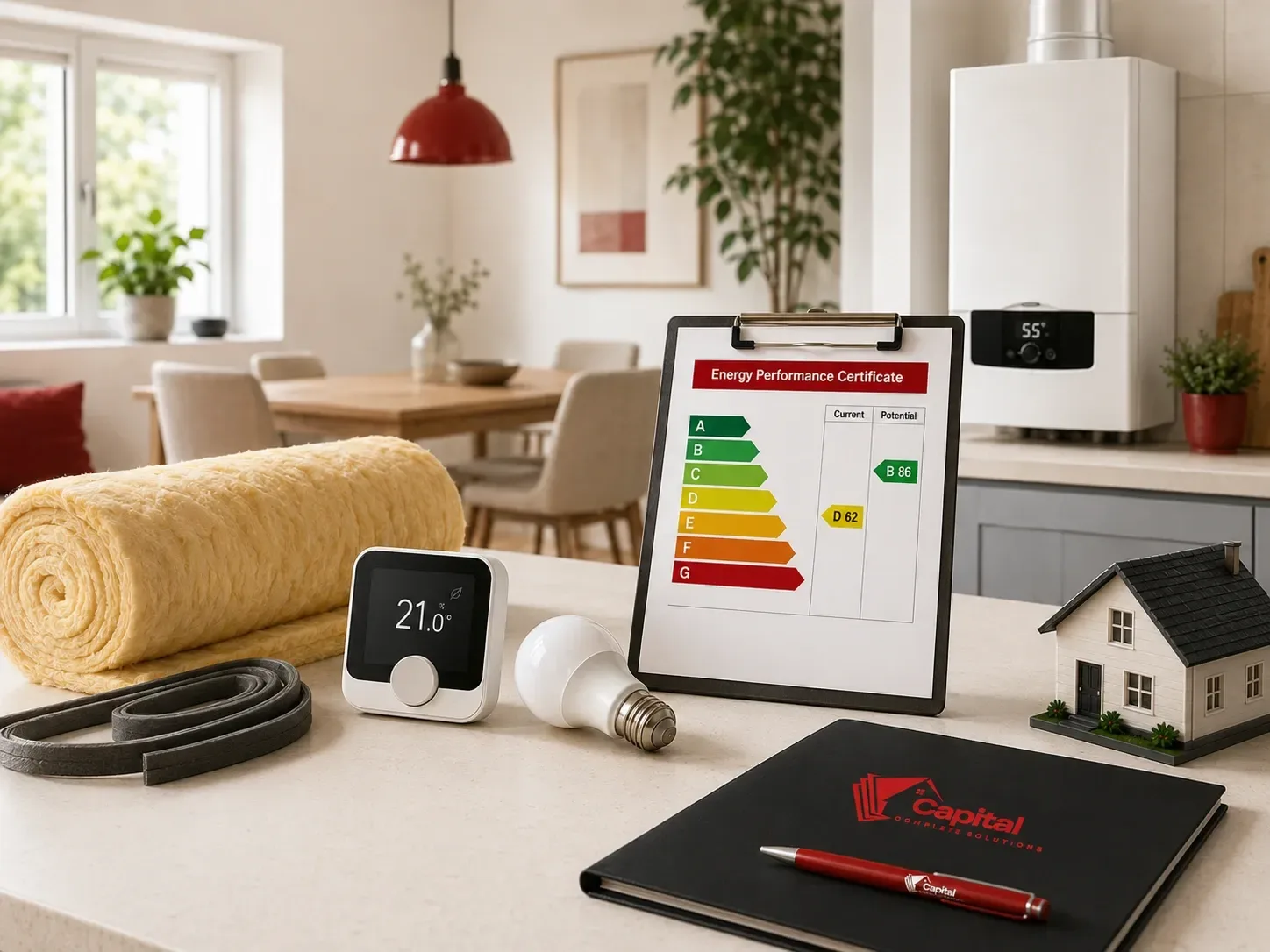
Accredited domestic EPC assessments for letting agents and landlords across Birmingham and the West Midlands. Booked fast, lodged on the national register, and explained in plain English. So you can market and let without a hold-up.
Let me keep this simple.
You cannot legally market or let a property in England and Wales without a valid Energy Performance Certificate. The minimum right now is band E. Rated F or G? You can't let it at all, unless you've registered a valid exemption.
That bit hasn't changed. What's coming has.
And I'll be honest with you, there's a lot of noise out there. You may have heard the EPC C deadline is 2028. It isn't anymore. In January 2026 the government confirmed one date in its Warm Homes Plan: every privately rented home in England and Wales has to reach the equivalent of EPC C by 1 October 2030. That old split, where new tenancies had to hit C by 2028, was dropped. One date now. All tenancies.
Enforcement is tightening alongside it. Section 21 is abolished from 1 May 2026 under the Renters' Rights Act 2025, a national PRS Database is coming, and councils check compliance straight off the EPC Register. Nine times out of ten, the landlords who get caught out are the ones who left it to the last minute. Don't be one of them.

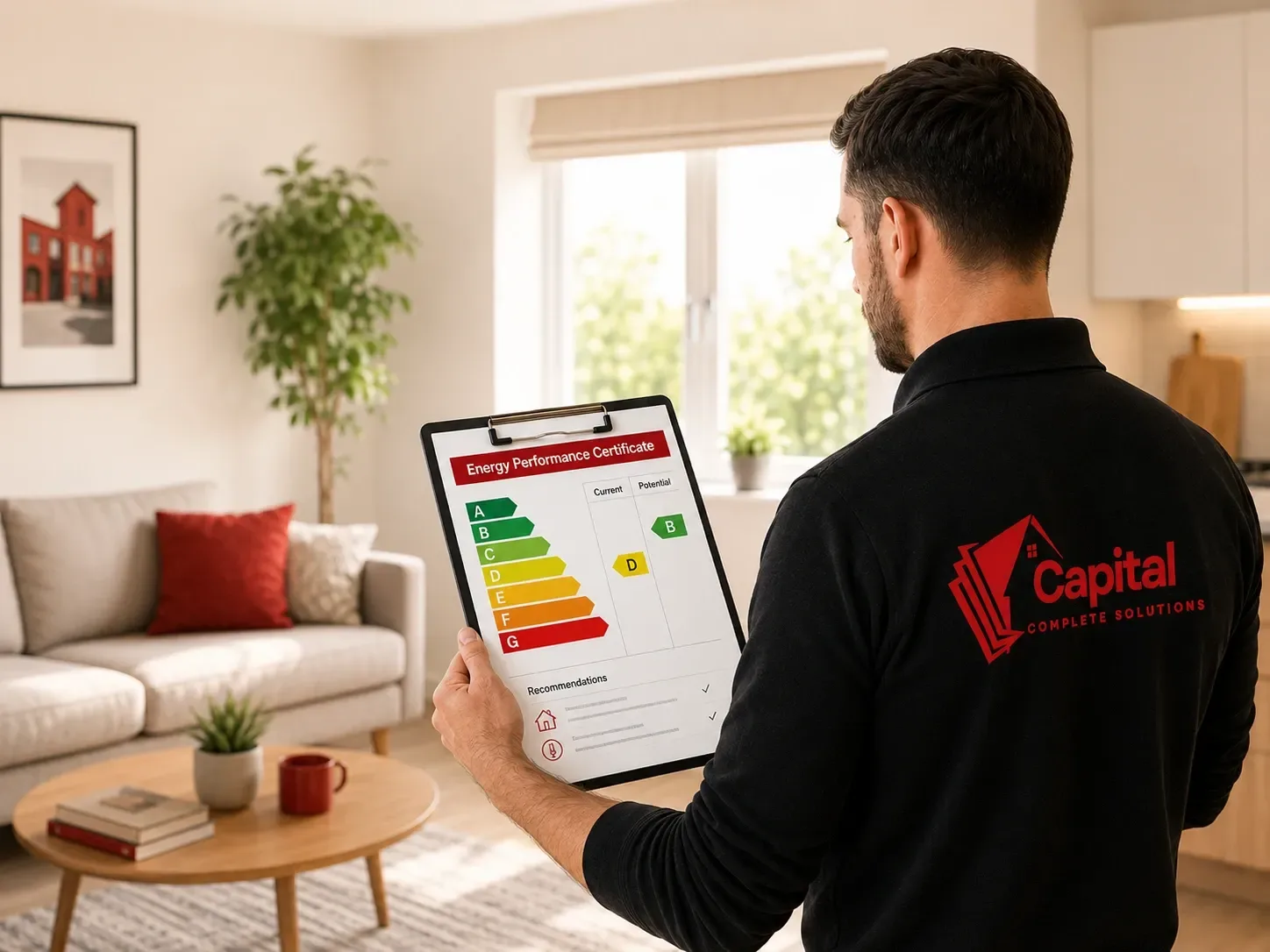
An EPC rates a property from A (best) to G (worst) for energy efficiency. It's carried out by an accredited domestic energy assessor, lodged on the national EPC register, and valid for 10 years. Three things on it actually matter:
That recommendations list is the part most landlords skim past. With a band C minimum landing in 2030, stop treating it as background reading. It's your roadmap.

What's Next
Here's the part worth getting your head around early. There are two moving pieces.
One, the rating itself is being rebuilt.
The current cost-based method (the Energy Efficiency Rating, worked out through SAP) is being replaced by the Home Energy Model, or HEM. Instead of one score, properties get judged across new metrics: fabric performance (how well the building holds its heat), heating system, smart readiness, and energy cost. HEM becomes the mandatory basis for EPCs from 1 October 2029.
Why that should worry you: a property that scrapes a C today might not hold that C under the new method. So the rating you get now genuinely matters.
Two, the money got serious.
The cost cap for the works needed to reach the standard is £10,000 per property (or 10% of its value, if that's lower). The maximum penalty for a minimum-standard breach is confirmed to rise to £30,000 per property, per breach. And separately, fail to hand an EPC to a prospective tenant and a council can already fine you £200.
One bit of good news. Any qualifying spend on energy improvements from 1 October 2025 already counts towards your cap, so sensible work now is banked, not wasted. And a property that hits C under the current method before October 2029 stays compliant until that certificate expires.
If you only do one thing this year, get the property assessed so you know exactly where you stand. You can't plan around a number you haven't got.
How To Improve
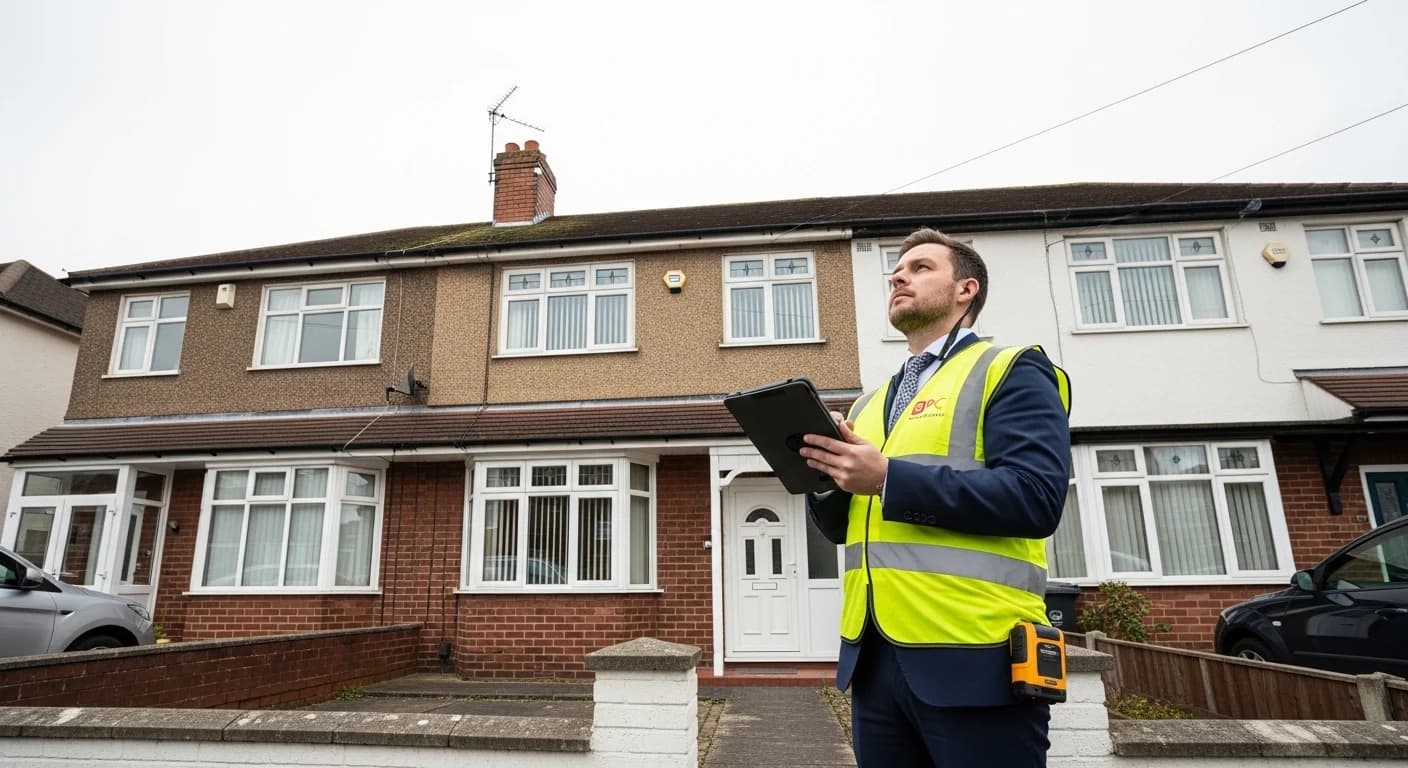
Most ratings lift without ripping the property apart. I've assessed enough homes across Birmingham to tell you where the easy points usually hide. Start cheap, then plan the bigger jobs.
There's funding to soften it. The Boiler Upgrade Scheme puts up to £7,500 towards a heat pump. The Great British Insulation Scheme helps with loft and cavity insulation. ECO4 and the Warm Homes: Local Grant can help with eligible lower-rated homes. Check what your stock qualifies for before you reach for your own wallet.
Why Us
You'll find EPCs going dirt cheap online through national booking "panels". You pick a price, they subcontract whoever's nearest, and you've no idea who's turning up or whether you'll ever reach them again.
When the rating's borderline and 2030 is the line you're trying to clear, that's the wrong corner to cut. I promise you that.
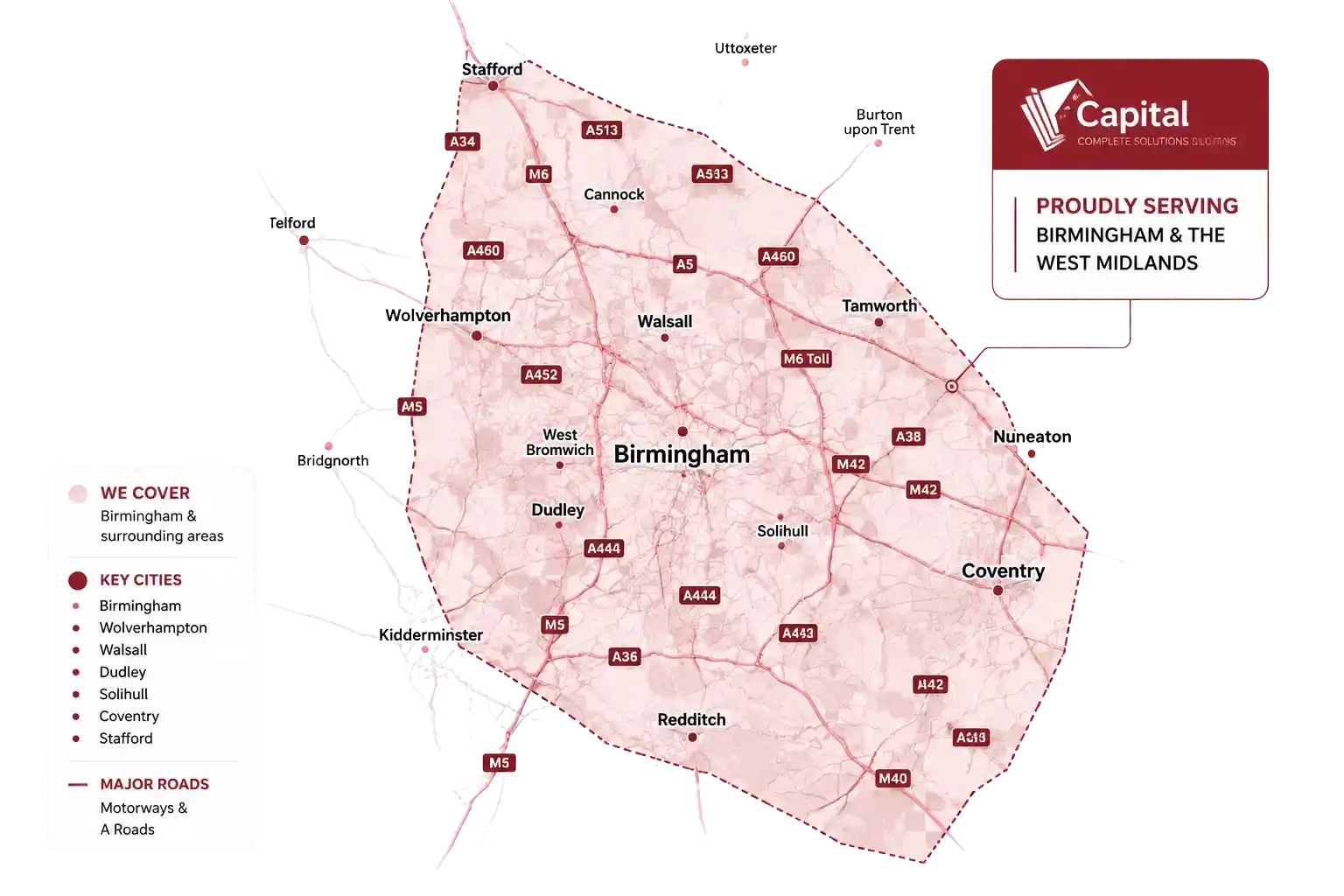
Here's how we work instead. We're an established, AIIC-accredited Birmingham inventory and compliance specialist, fully insured, and local. Stechford-based, covering Birmingham, the West Midlands, Warwickshire, Staffordshire and Worcestershire. You deal with the same team every time, not a stranger off a panel.
And we're one provider for all of it. Sort your EPC alongside your inventory report at the start of the tenancy, and cover your water-safety duty with a Legionella risk assessment in the same window. For agents and portfolio landlords, that's one point of contact across the whole portfolio and a lot less admin. Booking EPCs regularly? We'll set you up with a recurring account, so it's one call, not a fresh quote every time.
And if a report ever falls short, we put it right.
Book Your Property Inspection in Five Simple Steps
Call us on 0121 582 4070, email info@capital-cs.com, or message us on WhatsApp to discuss your requirements or set up an account.
Choose the service you need and confirm a date and time. We'll take care of the rest.
Our AIIC-accredited inspector arrives on time and carries out a thorough, systematic inspection with photographic documentation throughout.
Your detailed digital report is delivered promptly. Clear, professional, and ready to share with landlords or tenants straight away.
Have a question about a report or a deposit dispute? We're always available by phone, email, or WhatsApp to help.
EPC pricing comes down to the property. Size, type, location, and how easy it is to get round. A one-bed flat and a five-bed detached are not the same job, so a single headline figure on a page would only mislead you.
Tell us about the property and you'll get a straight quote. No surprises, no panel mark-up. Get a quote and we'll sort it.
Most landlords don't need just one thing done. Pair your EPC with a proper inventory report, keep an eye on the place with a routine inspection, and tick off your Legionella duty at the same time. One provider, full compliance, far less hassle.
We're based in Stechford, East Birmingham (B33), and produce EPC Certificates right across the city and the wider region such as Coventry, Wolverhampton, Walsall, and out through Warwickshire, Staffordshire and Worcestershire. Birmingham's housing stock is all over the place, period terraces in Moseley and Kings Heath, student HMOs in Selly Oak, brand-new build-to-rent towers in the city centre and the disputes change with it. The standard doesn't. Whether it's a single flat or a developer handing over a whole block, every unit gets the same detailed report. That consistency, unit to unit, is exactly what build-to-rent operators and property developers are after.
Areas we cover
Wider region
Based in Stechford, East Birmingham (B33)

Ready when you are
Get it sorted before you market the property, not after a tenant's already waiting on the doorstep.
Yes. You must have a valid EPC before you market or let a property in England and Wales. The current minimum rating is band E. A property rated F or G can't be let unless a valid exemption has been registered.
It's 2030. The earlier proposal for new tenancies to meet EPC C by 2028 was dropped. The government confirmed a single deadline in its Warm Homes Plan: all private tenancies in England and Wales must meet the equivalent of EPC C by 1 October 2030.
Band E right now. From 1 October 2030 the minimum rises to the equivalent of band C across both new and existing tenancies, unless a valid exemption applies. A cost cap of £10,000 per property (or 10% of its value, if lower) applies to the works needed to reach the standard.
10 years. You'll need a new one when it expires, or sooner if you're starting a new tenancy or selling and the existing certificate has run out.
Search the national EPC register by address. If there's a current certificate, you'll see its rating and expiry date. If it's expired, or the property's been altered significantly, you'll need a new one before you market it
Yes, in limited cases. A property below the minimum standard can only be let if a valid exemption is registered on the PRS Exemptions Register. Under the 2030 rules, if a property still can't reach band C after the £10,000 cost cap is spent, a cost-cap exemption can be registered, lasting 10 years.
Two separate risks. Fail to provide an EPC to a prospective tenant and a local authority can fine you £200. Let a property below the minimum standard and you face a MEES penalty, currently up to £5,000, rising to £30,000 per property, per breach under the 2030 standard
The visit itself usually takes around 30 to 40 minutes, depending on the property's size and layout. We then lodge the certificate on the national register and send it to you.
The way EPCs are measured is being reformed under the Home Energy Model (HEM). Properties will be assessed across new metrics including fabric performance, heating system, smart readiness and energy cost, becoming the mandatory basis for EPCs from 1 October 2029. For the full background, here's what an EPC is and when your rental needs one.