Routine, mid-term inspections during the tenancy, in between the check-in and the check-out, so a small problem gets spotted while it is still small. AIIC-accredited, photo-evidenced, and access handled properly. Across Birmingham and the West Midlands.
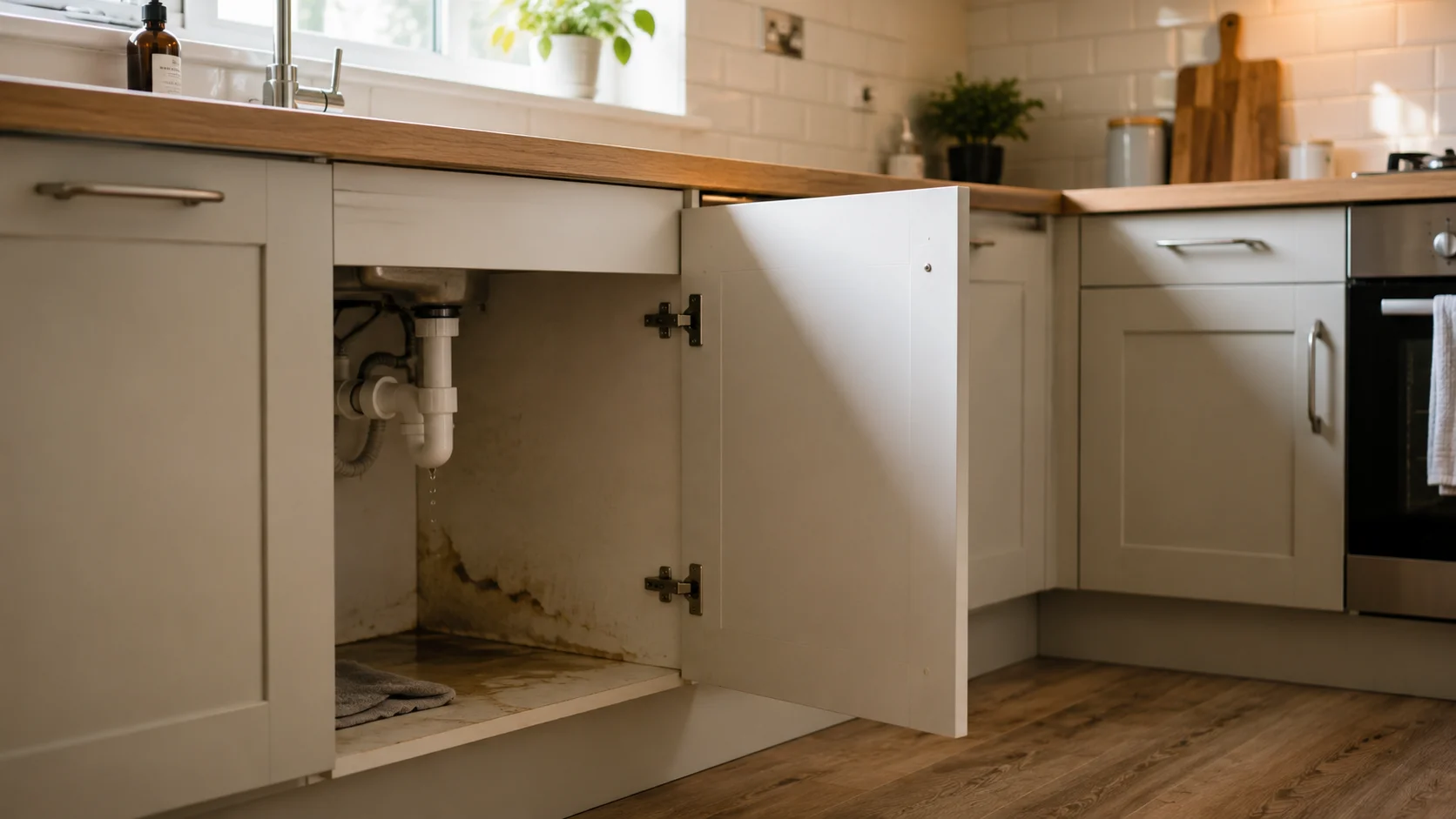
A leak under the sink that has been dripping for months. Damp building up behind a wardrobe nobody has moved. A "no pets" flat with a dog in it. Two extra people on the sofa bed who were never on the tenancy. I will be honest with you. Nine times out of ten, the landlord finds out at check-out. By then the repair is bigger, the bill is higher, and you are arguing over a deposit that will not cover it. A mid-term inspection is the cheap visit that stops the expensive one. Call it an interim inspection, a periodic inspection, a routine inspection or a mid-tenancy check. Same job: eyes on the property while the tenant is still living there, so nothing nasty is waiting for you at the end.

Most landlords treat an inspection as a chore. It is not. It is the cheapest insurance you will buy all year. On the properties we visit across Birmingham, the same handful of problems turn up again and again, and every one of them is cheaper to deal with the day you spot it than the day the tenant hands the keys back. Here is what one regular visit does for you.
We are AIIC-accredited and fully insured, and our clerks are independent. That matters, because a neutral report is one that holds up if it is ever challenged.
Every visit is photo-evidenced. So when you raise damp or a breach with a tenant, you have dated proof, not your word against theirs.
We handle access correctly. Proper written notice, respect for the tenant's right to quiet enjoyment, no turning up unannounced. Get that wrong and a routine visit turns into a harassment complaint. We do not get it wrong.
And we treat the property like someone's home, because it is. The photographs we take of an occupied home are personal data, and we handle and store them responsibly. Your tenants are dealt with politely and professionally, every time. That is half the reason agents stay with us: their landlords never get an awkward phone call about the clerk.
If a report ever falls short, we will put it right.
We attend the property during the live tenancy and produce a clear, photo-evidenced report. Not a tick-box sheet. Real photographs, dated, room by room, checked against the original inventory report so nothing is left to memory. And here is where most landlords get caught out: a report is only as good as the eye behind the camera. An accredited clerk who knows what early damage looks like, the first bloom of black mould, the hairline crack that means movement, will spot in five minutes what a quick phone snap misses for a year. Here is what is in your report:
Compared against the schedule of condition from day one, measured on fair wear and tear, not guesswork.
Never stock images. Your property, dated, so nothing's arguable months later.
Flagged early, before they turn into a disrepair claim
Cleaning is the single biggest cause of deposit disputes in the UK, so we record it properly instead of waving at it.
Subletting, unauthorised occupants, pets where they were not agreed, smoking indoors.
Ensure that they are present and working, so you have a dated record and can put right anything that is missing or faulty
ready to back you up
Book Your Property Inspection in Five Simple Steps
Call us on 0121 582 4070, email info@capital-cs.com, or message us on WhatsApp to discuss your requirements or set up an account.
Choose the service you need and confirm a date and time. We'll take care of the rest.
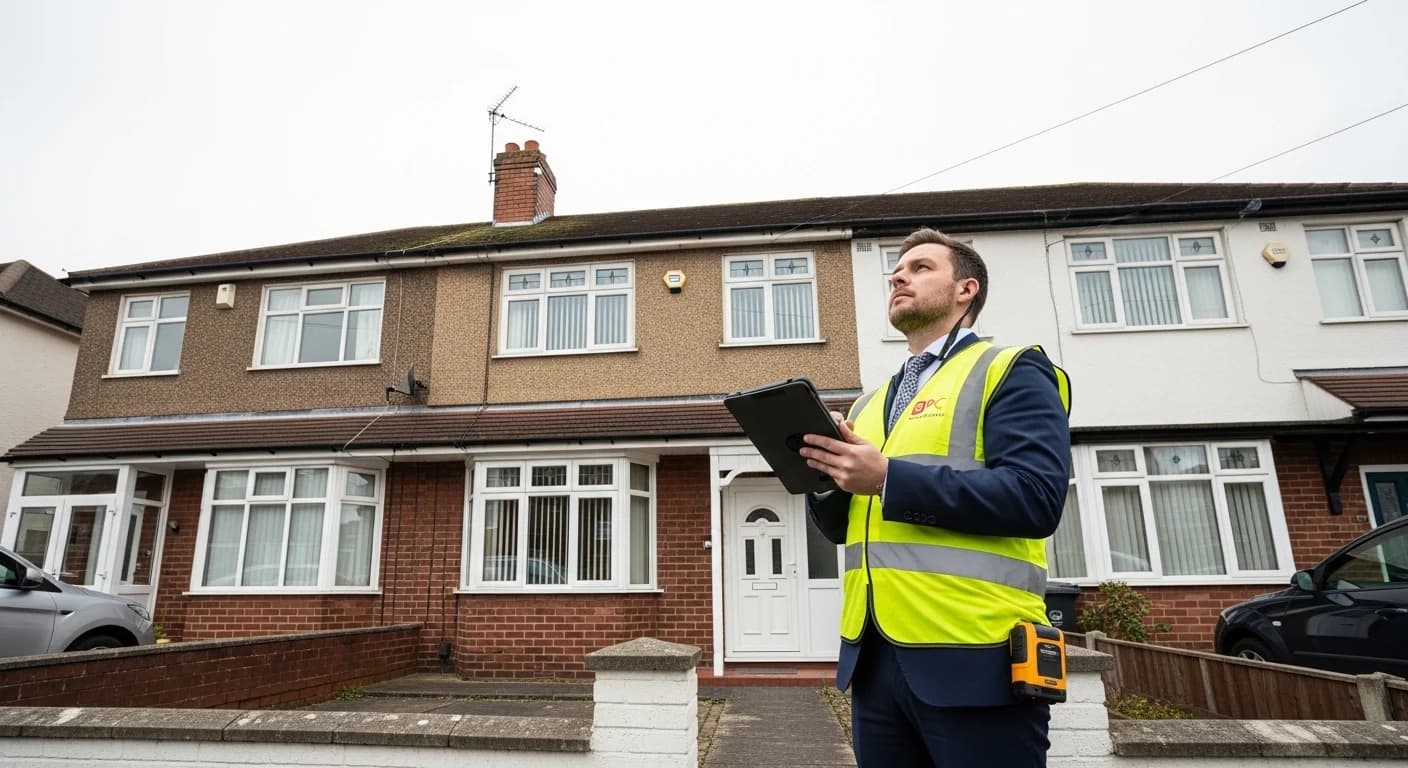
Our AIIC-accredited inspector arrives on time and carries out a thorough, systematic inspection with photographic documentation throughout.
Your detailed digital report is delivered promptly. Clear, professional, and ready to share with landlords or tenants straight away.
Have a question about a report or a deposit dispute? We're always available by phone, email, or WhatsApp to help.
I will be honest with you, the ground has shifted under landlords this year, and plenty have not caught up yet.
Since 1 May 2026, the Renters' Rights Act has changed the ground under every tenancy in England. Section 21 "no-fault" evictions are gone. To regain possession now, you need a valid Section 8 ground and, often, a court that agrees it is reasonable. So the evidence you hold matters more than it ever did, and a property left to drift is a bigger risk than it used to be.
Councils have more teeth too. From 27 December 2025, local authorities can enter properties and demand documents to investigate breaches, with or without a warrant. If your property has a hazard sitting in it, you want to find it first, before it becomes a Category 1 problem on the council's radar.
Pets are part of this. Under the new rules, a tenant can request a pet and you cannot unreasonably refuse. More of your lets will have pets in them whether you love the idea or not. And because the deposit you can claim against is capped, a routine inspection with dated photos is how you keep an honest record of any extra wear as it happens, not a fight you have at the end.
HMOs carry the heaviest duty. Under the Management of HMO regulations and your licence conditions, you are responsible for keeping the property safe and in good repair, and for keeping records of your checks. Regular inspections are how you do that, and how you prove you did it. Most HMO landlords inspect quarterly. While we are there, we can also handle your Legionella risk assessment, so two compliance jobs get done in one visit.
If you want the longer argument for staying on top of this, here is why regular inspections protect your investment.
No two properties are the same, so we quote rather than guess. What moves the price: the size of the property and the number of rooms, whether it is an HMO, how often you want it inspected, and where it is. Agents and portfolio landlords on a recurring account get consistent pricing across the whole portfolio. Tell us what you have got and we will give you a straight quote.
A mid-term inspection sits between the check-in inspection at move-in and the check-out inspection at the end. Put together, they give you an unbroken record of the property from the first day to the last. Day-one condition, mid-tenancy condition, end-of-tenancy condition, all photographed and dated. That unbroken chain is exactly what wins a deposit dispute. A check-out report with nothing in between is a much weaker hand.
If you only do one thing between the check-in and the check-out, do this.
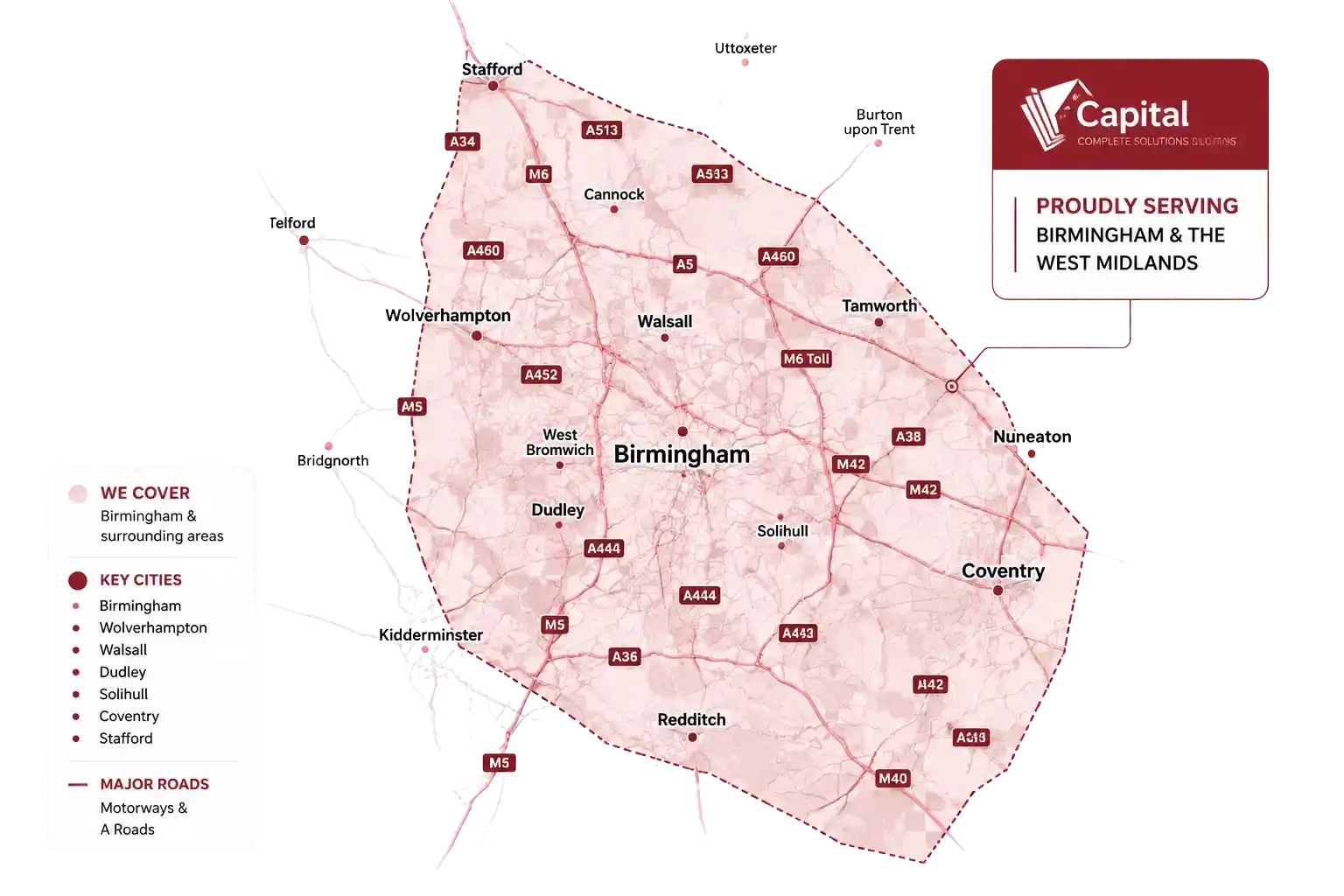
We're based in Stechford, East Birmingham (B33), and produce Mid-term reports right across the city and the wider region such as Coventry, Wolverhampton, Walsall, and out through Warwickshire, Staffordshire and Worcestershire.
Areas we cover
Wider region
Based in Stechford, East Birmingham (B33)

Ready when you are
Get a routine inspection booked, or set up a recurring schedule across your portfolio. Same-day availability.
There is no figure set in law. In practice, most landlords and agents inspect every three to six months, often quarterly. Your tenancy agreement, mortgage or insurer may set a minimum, so check those too. HMOs are usually inspected more often. A common pattern is a first visit a couple of months in, to confirm the tenancy has settled well, then routine checks after that.
Nothing. They are all names for the same thing: a check on the property partway through a live tenancy, in between the check-in and the check-out. You might also hear "periodic inspection" or "mid-tenancy inspection". We do all of them, because they are the same job.
At least 24 hours, in writing. That can be a letter, an email or a text. The right of entry under Section 11 of the Landlord and Tenant Act 1985 sets that 24-hour written notice as the minimum, and you also need to pick a reasonable time and, in practice, get the tenant's agreement. You cannot simply let yourself in. We take care of all of this for you.
Yes. A tenant has the right to quiet enjoyment of their home, so they can decline a visit or ask to rearrange it, and you cannot force entry except in a genuine emergency. The answer is never to push your way in. It is to give proper notice, keep the request reasonable, and keep a record. Nine times out of ten, a polite, well-noticed request is fine. And if access is repeatedly refused, that becomes a tenancy matter to handle properly, where our records help.
A room-by-room look at the condition of the property, dated photographs, and a written report. We check for damp and mould, unreported maintenance issues, wear beyond fair wear and tear, and any breaches such as pets, smoking or extra occupants. We confirm the smoke and carbon monoxide alarms are present and working, and we compare what we find against the original inventory.
Yes, as part of the visit we check they are present and working and flag anything missing or faulty. England's rules require at least one smoke alarm on each storey used as living accommodation, and a carbon monoxide alarm in any room with a fixed combustion appliance such as a boiler or a wood burner, excluding gas cookers. You must keep them in working order, so a routine check gives you a dated record that you are on top of it.
Reports are delivered promptly within 24 hours after the visit, with the photographs attached and any issues clearly flagged.
If you let an HMO, you are under a duty to keep it safe and in good repair, and to keep records, both under the Management of HMO regulations and your licence conditions. Regular inspections are the practical way to meet that duty and to prove you have met it. Most HMO landlords inspect quarterly.
We document it with dated photographs and flag it in your report straight away, so you can act early. Since Section 21 was abolished on 1 May 2026, you can no longer end a tenancy without a reason, so catching a breach early and recording it properly matters more than ever. If it ever came to possession, a breach such as serious damage or an unauthorised pet falls under the discretionary Section 8 grounds, where the court weighs the evidence. Strong, dated records are what give that evidence weight.