How Regular Property Inspections Protect Your Investment
Your inventory proves what the property was like on day one. Your check-out proves what it was like on the last day. Regular inspections are the only thing that proves everything in between.
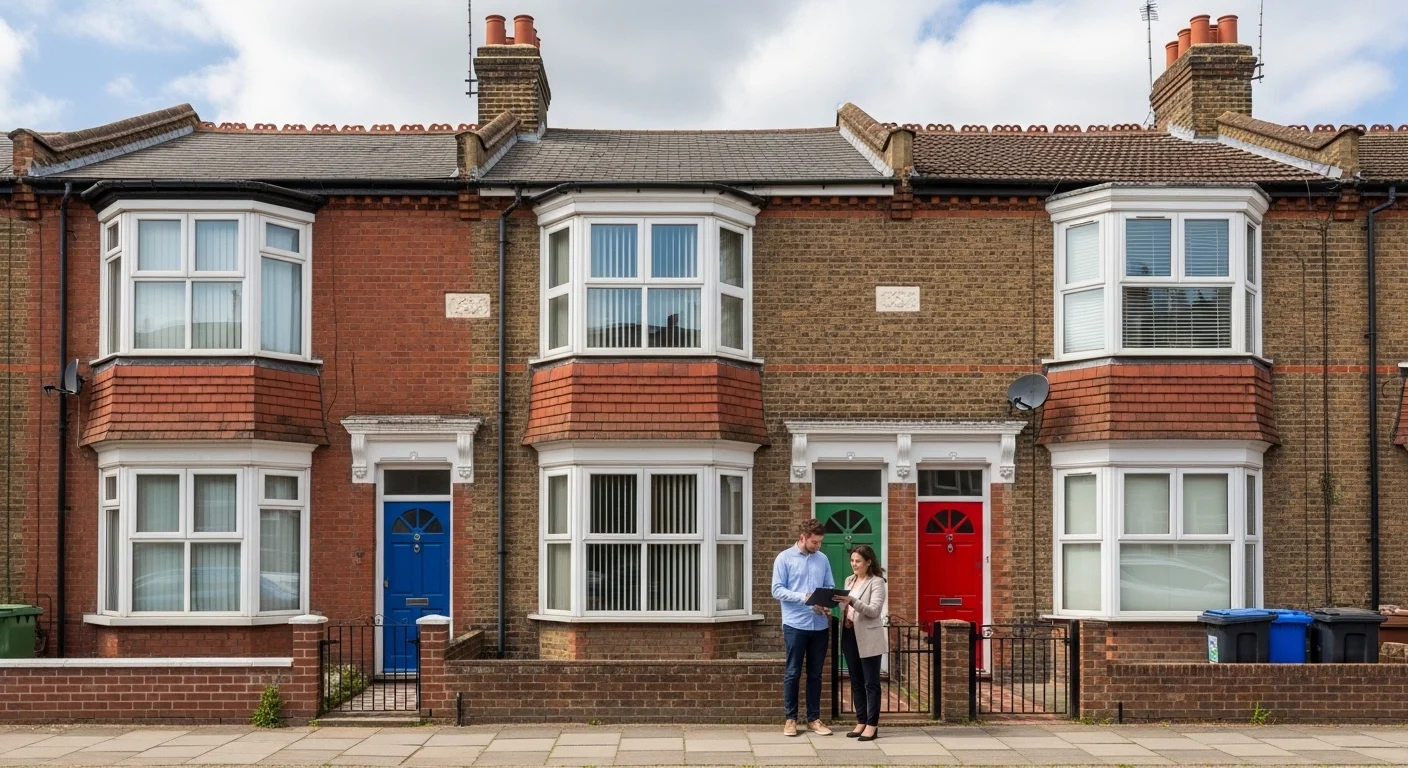
Nobody would leave a £250,000 asset unchecked for a year. Plenty of landlords do exactly that.
Then something goes wrong. A leak that started in March turns up at the check-out in November. A patch of damp becomes a disrepair complaint. By the time you find out, the cheap fix has gone.
I've walked into check-outs where the damage had clearly been sitting there for months. Nothing in between to date it, so nothing to prove it. One routine visit would have settled it in five minutes.
That's what regular property inspections are actually for. Not paperwork. Protection.
What is a mid-term property inspection?
A mid-term inspection is a condition and compliance check carried out during a live tenancy.
You'll hear it called a few different things. Routine inspection. Interim inspection. Periodic inspection. Property visit. Same job.
It is not a building survey or a valuation. Those are for buyers. This is a documented walk through a property you already own, with photographs, checked against the inventory report you started the tenancy with.
Done properly, it produces a property condition inspection report. Dated. Photographed. Room by room. Written in the same format as your inventory.
That format point matters more than landlords realise. If your inventory, your mid-terms and your check-out all use different wording and different room orders, nobody can line them up. An adjudicator won't do that work for you.
How often should you inspect a rental property?
There is no legal minimum and no legal maximum. No law tells you how often to inspect. Anyone who quotes you a rule is guessing.
A schedule that works
One month after move-in. Check the tenant has settled. Check the appliances work. Check nothing has already started going wrong.
Then every three to six months. Quarterly while the tenancy is new. Stretch it once you know the tenant.
Every six to twelve months for a settled tenant. If they've been there years, the property is in good order and they report issues themselves, you don't need to be there four times a year. The NRLA's guidance lands in the same place.
The ceiling is common sense. Turn up every few weeks and you stop looking careful. You start looking like a problem.
How often should an HMO be inspected?
More often. An HMO inspection is a bigger job and a different risk. More rooms, more occupants, more turnover, plus shared areas that are legally your responsibility under the management regulations. Fire doors get propped open. Alarms get taken down.
For student lets, tie your visits to the academic year. Selly Oak in July is no place to discover you haven't been since October.
What are the rules on rental property inspections in the UK?
You do not have an automatic right to walk into your own property. This is where landlords get themselves into real trouble, so it's worth being exact.
Section 11 of the Landlord and Tenant Act 1985 gives you an implied right to enter and inspect the condition and state of repair of the property. You have that right whether or not your tenancy agreement mentions it.
But the right comes with conditions attached.
How much notice must you give?
At least 24 hours. In writing. At a reasonable time of day.
The same standard runs through the Housing Act 1988 and the fitness for human habitation rules. Twenty four hours is the floor, not the target. Give a week where you can. You'll get better access and a better tenant relationship.
Your tenant has a right to quiet enjoyment of the home. Entering without permission, where you have no right to do so, is trespass. The NRLA puts it bluntly: entering without the tenant's permission "may be considered a criminal act."
What if your tenant refuses access?
Refusing reasonable access is a breach of the tenancy agreement. It is not a licence for you to let yourself in anyway.
Do three things instead. Remind the tenant of their obligation in writing. Offer alternative dates. Keep every message you send.
Repeated attempts to get in without permission can be treated as harassment. That's a far bigger problem than a missed inspection. If access ever becomes a genuine dispute, that paper trail of reasonable requests is what protects you.
What do landlords check during an inspection?
This is the part most landlords do from memory and then can't evidence. Here's what a proper rental property inspection checklist covers.
Condition, room by room
- Damp, mould and condensation, especially in bathrooms, kitchens and behind furniture
- Leaks, water staining, dripping taps, blocked wastes
- Walls, ceilings, flooring and decoration, and any change since check-in
- Windows and doors, seals and misted double glazing
- Kitchen appliances and white goods, working and clean
- Heating and hot water, radiators, boiler pressure and service status
Safety
- Smoke and carbon monoxide alarms tested, not just present
- Escape routes clear and fire doors closing properly
- Visible electrical condition, sockets, trailing leads
- No e-bike or e-scooter batteries charging in hallways
- Water system checks that support your Legionella risk assessment
Outside the property
- Roof tiles, flashing and chimney
- Gutters, downpipes and drains
- Paths, decking, fencing and boundaries
- Garden condition, outbuildings and garage Blocked gutters cause more damp in Birmingham than tenants ever do. Look up.
The tenancy itself
- Do the people living there match the agreement?
- Any sign of subletting or unauthorised occupants
- Pets, smoking or alterations the agreement doesn't allow
- Anything that shouldn't be there at all On that last point. Greater Manchester Police found 402 cannabis farms in a single year to April 2025. No landlord spots one of those from the pavement.
Photographs
Take them every visit. Dated, consistent, same angles each time.
The DPS gives the best advice on writing them up. Note the changes, "sticking to facts about condition rather than conjecture about cause."
How regular property inspections protect your investment
Five ways, in rough order of money at stake.
Damp caught early costs almost nothing
A patch of condensation in month three is a conversation and a ventilation fix.
Leave it to month twelve and it's black mould, a redecoration bill, a disrepair complaint and a tenant who has stopped talking to you. The cost curve on damp is brutal, and it's almost entirely a function of how long nobody looked.
Small repairs stay small
A dripping overflow. A slipped tile. A hairline crack in a shower tray.
None cost much on their own. All cost thousands once water has been running where it shouldn't for eight months.
Tenancy breaches get spotted
Unauthorised occupants. Subletting. Alterations you never agreed to. The longer any of it runs, the harder it is to unwind.
You fill the evidence gap in the middle
This is the big one.
Propertymark put it plainly in April 2026. "In deposit disputes, it is not what is written in the tenancy agreement that decides the outcome, it is what can be evidenced." Mid-tenancy visits, they say, "provide a valuable audit trail and help identify issues early."
Think about what an adjudicator actually sees. Your inventory shows day one. Your check-out shows the last day. If there's nothing in between, they can't tell when the damage happened, or whether the tenant had a fair chance to put it right.
A dated mid-term report closes that gap. For the rest of that process, here's my guide to handling deposit disputes as a Birmingham landlord.
Your insurance position holds up
Unoccupied property cover usually carries an inspection condition. Commonly every 7, 14 or 30 days, depending on the insurer.
Miss those visits and an insurer may ask whether that contributed to the loss. Standard let property policies vary, so read your own wording. A dated record of visits helps on any policy when a claim gets queried.
What changed in 2026
The rules tightened this year, and every change points the same way.
Councils have new powers
Since 27 December 2025, local housing authorities can require information from landlords and agents. They can enter business premises on 24 hours' notice, take photographs, and seize documents they believe evidence a breach.
Failing to respond without a reasonable excuse carries penalties. Council landlord inspection powers are no longer theoretical.
Tenancies are now periodic
Since 1 May 2026, assured shorthold tenancies have converted to assured periodic tenancies. No fixed end date, which means longer tenancies.
As Propertymark notes, "the conditions at check-out will come under greater scrutiny." Try separating fair wear and tear from damage after three years with no record in the middle. It's close to impossible.
The Decent Homes Standard is coming to private renting
Confirmed in the January 2026 policy statement. It applies to the private rented sector from 2035, with EPC C required by 1 October 2030. One of its five criteria is that homes are free from damp and mould.
The HHSRS was also reformed in June 2026, cutting the hazard list from 29 down to 21.
Awaab's Law does not apply to private landlords yet
It has applied to social housing since 27 October 2025. A consultation on extending it to the private rented sector is expected, but no date has been confirmed. Anyone telling you it already binds private landlords is wrong.
The direction of travel is obvious though. Strict repair timescales are far easier to meet when you already know the state of your properties.
Can you carry out your own inspections?
Yes. There's no rule against it. If you own one property ten minutes down the road, you probably should.
It stops making sense in four situations. When you don't live near the property. When you have more than a handful of units and can't keep the format consistent. When it's an HMO or student let and the room count multiplies every task.
And when you're the person who'll be claiming at the end. Your own photographs carry less weight than an independent, accredited clerk's. That isn't a slight on you. It's how adjudication works, and it's the same reason letting agents use independent inventory clerks instead of doing it in-house.
What inspections look like in Birmingham
Our housing stock has its own habits. Solid wall Victorian and inter-war terraces, where damp comes from blocked gutters and cold external walls rather than tenant behaviour. Converted flats with shared hallways nobody quite owns. Student HMOs in Selly Oak with a July turnover that leaves no room for surprises.
Selective licensing covers 25 of Birmingham's 69 wards, so a large slice of local property is already under council scrutiny on condition. Regular inspections are how you stay ahead of that instead of reacting to it.
Get your Lichfield Inspection booked in one call
Letting in Birmingham or the West Midlands? Our mid-term inspections catch problems while they are still cheap to fix, dated and photographed in the same format as your inventory and check-out report.
- AIIC-accredited
- Same-day cover
FAQs
How often should a landlord inspect a rental property?
There is no legal frequency. Most landlords inspect every three to six months, with a first visit around a month after move-in. You can stretch that to six or twelve months for a settled, reliable tenant. HMOs and student lets need more.
How much notice does a landlord have to give before an inspection?
At least 24 hours, in writing, at a reasonable time of day. That standard comes from Section 11 of the Landlord and Tenant Act 1985 and the Housing Act 1988.
Can a landlord inspect a property without permission?
No. You have no automatic right of entry. Entering without your tenant's permission, where you have no right to do so, is trespass and may be treated as a criminal act.
What happens if a tenant refuses access?
Refusing reasonable access breaches the tenancy agreement, but it doesn't entitle you to enter anyway. Put the request in writing, offer alternative times, and keep a record of every attempt.
What do landlords check during an inspection?
Condition room by room, damp and mould, leaks, heating, appliances, smoke and CO alarms, electrical safety, the exterior and garden, and whether the tenancy terms are being kept. That last part covers occupants, pets, subletting and alterations.
What is the difference between a mid-term inspection and an inventory?
The inventory is your baseline at the start of the tenancy. The mid-term inspection is the audit trail during it. The check-out is the comparison at the end. You need all three for the evidence chain to hold. Here's what an inventory report actually is.
Can inspection photos be used in a deposit dispute?
Yes, and they're often the difference between winning and losing. Dated mid-tenancy photographs let an adjudicator see when damage appeared instead of guessing.
Does Awaab's Law apply to private landlords?
Not yet. It applies to social housing from 27 October 2025. A consultation on extending it to the private rented sector is expected, but no date has been confirmed.
Do I still need inspections if I use a letting agent?
Check what your management fee actually includes. Many agents arrange one visit a year. Some arrange none. The duty to keep the property fit sits with you either way.
How much does a mid-term inspection cost?
It depends on the property. Size, furnished or unfurnished, HMO room count, and how quickly you need the report.
What is the difference between a mid-term inspection and a check-out?
The mid-term happens during the tenancy and records how the property is holding up. The check-out report happens at the end and compares everything back to your inventory so deductions can be evidenced.
This article is general guidance for landlords and letting agents, not legal advice. For your specific duties, check current HSE / GOV.UK guidance or speak to a qualified professional.
Written by
Founder, Capital Complete Solutions. AIIC-accredited inventory specialist, Birmingham.