How Much Does an Inventory Report Cost? UK Prices for 2026
Most landlords who ask me what an inventory costs have already seen two prices that make no sense side by side. They want to know which one is right.
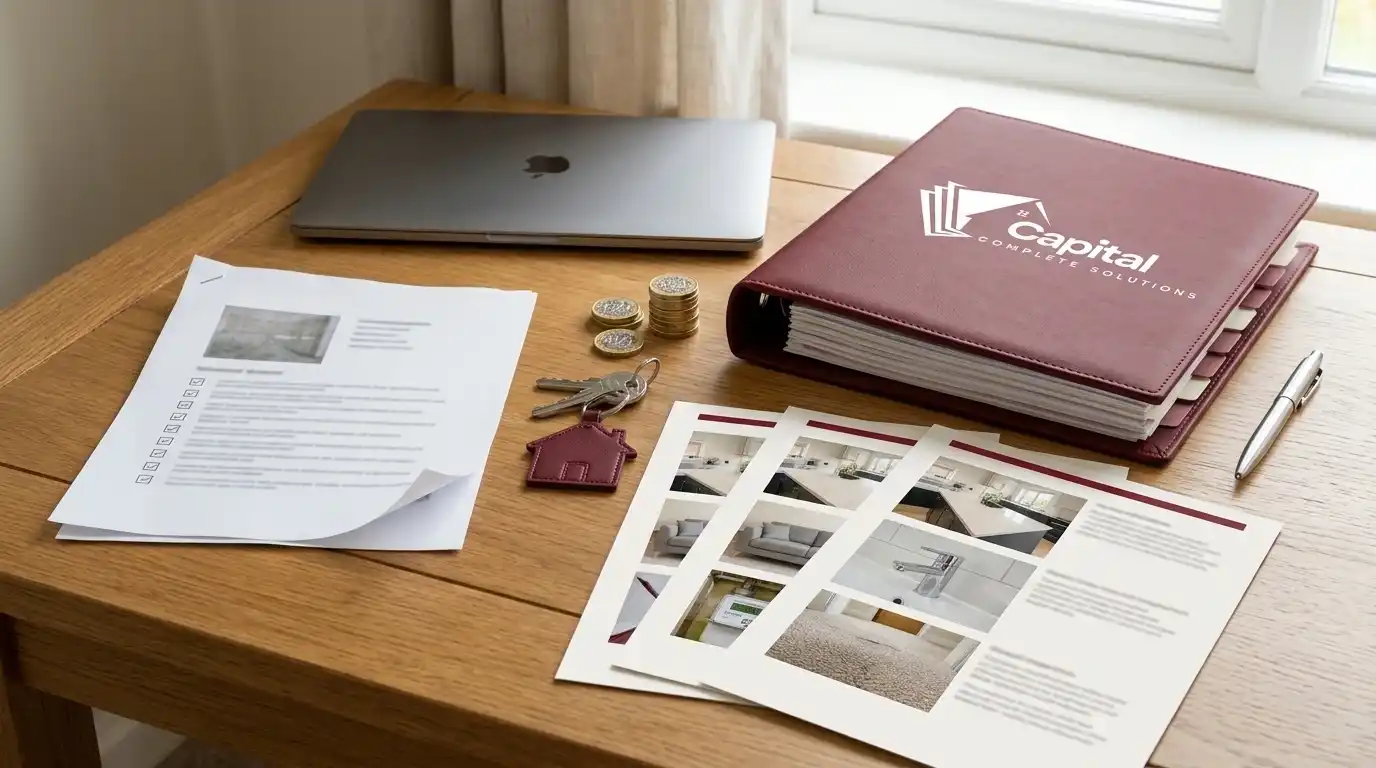
The typical property inventory cost in the UK is £75 to £200 for the report on its own. Add the tenant check-in and most landlords pay £105 to £260. Size, furnishing and VAT explain most of the gap between quotes.
Below is the full price list. Then what each extra costs, who pays, and how to spot a false economy.
How much does a property inventory cost?
Most UK inventory firms charge £75 to £200 for an inventory report. A studio or one-bed flat sits at the bottom of that range. A furnished four-bed house sits at the top, or above it.
These are typical prices from UK inventory firms' published price lists, checked in October 2026. They're market rates, not a fixed tariff.
Property inventory price list (2026)
| Property size | Inventory only | Inventory and check-in | Check-out | Mid-term inspection |
|---|---|---|---|---|
| Studio or 1 bed | £75 to £130 | £105 to £170 | £60 to £115 | £50 to £65 |
| 2 bed | £85 to £140 | £115 to £190 | £70 to £130 | £50 to £70 |
| 3 bed | £110 to £170 | £135 to £210 | £70 to £150 | £50 to £75 |
| 4 bed or more | £150 to £250+ | £160 to £260+ | £125 to £215 | £50 to £85 |
Typical published UK ranges, checked October 2026. Some firms quote plus VAT, so the final bill can be higher. Furnished properties sit towards the top of each range.
What a whole tenancy costs
Inventory, check-in and check-out together typically come to £150 to £300 for a two or three-bed property. Larger furnished houses and HMOs often run £250 to £470 or more. Mid-term visits are extra, if you book them.
Why does one quote say £80 and another £250?
Because you're usually not comparing the same thing. Four things explain most of the gap.
You're comparing different packages
One firm's "from £80" is an unfurnished studio, report only. Another firm's £250 might be a furnished three-bed with the check-in done at the door. Line the packages up before you line the prices up.
Furnished costs more
In a furnished property every item gets described, not just counted. That takes time. Furnished usually adds £10 to £55 to the price, depending on size.
VAT is in some prices and not others
Some price lists include VAT. Others quote plus VAT. £120 plus VAT is £144. Always compare the figure you'll actually pay.
London pulls the averages up
Many of the price lists you'll find online come from London and South East firms. London rates usually run higher, because of operating costs and travel time. Don't use a London price list to judge a quote for a flat in Erdington.
What affects inventory clerk fees?
Size and furnishing set the base price. Extras then get added on top. These are the ones that show up most on published price lists:
- Extra rooms. En-suites, a second bathroom, a second reception or a conservatory: about £10 to £15 each.
- Garage or basement. Around £15 to £25.
- Gardens and outbuildings. Some firms count a garden as an extra room. Sheds and outbuildings take time too.
- HMO rooms. Each let room needs its own schedule, plus the shared kitchen, bathrooms and hallways. That's more work than a family house with the same number of bedrooms.
- A separate check-in day. Doing the check-in on a different day to the inventory means a second trip. One online letting platform adds £70 for it.
- Sundays and bank holidays. Around £30 extra with some firms.
- Short notice. Some firms charge for it. Others don't. Ask. Check the cancellation terms as well. If nobody can get into the property, you may end up paying for the wasted trip.
How much does a check-in and check-out cost?
The check-in is usually sold with the inventory. The check-out is a separate visit with its own fee.
The check-in
When it's done on the same day, the check-in typically adds £10 to £50 to the inventory-only price. The clerk meets the tenant, walks the property, records the meters and hands over the keys. Here's what a check-in inspection covers in full.
The check-out
A tenancy check-out fee typically runs £60 to £215, depending on size. The clerk compares the property line by line against the original inventory. That comparison is your evidence for any deduction.
Book your end-of-tenancy inspection with the same firm that did the inventory if you can. Same format, same room order, nothing for the tenant to pick apart.
Mid-term inspections
Expect £50 to £85. Some firms charge a flat fee whatever the size. A mid-term inspection catches problems while they're still cheap to fix.
Why does an unfurnished property still need a paid inventory?
Because most deposit disputes are about the property itself, not the furniture.
Walls. Carpets. The kitchen. The bathroom. How clean it all was. In 2024 to 2025, cleaning came up in over half of all TDS dispute cases. You can't argue about cleaning at the end if nobody recorded it at the start.
An unfurnished flat is quicker to do, which is why it costs less. It still needs doing. If you want the basics, I've covered what an inventory report is and why it matters separately.
Who pays for the inventory, landlord or tenant?
The landlord or the letting agent. In England, you can't charge the tenant for the inventory, the check-in or the check-out.
GOV.UK lists the payments landlords and agents can take from tenants. Rent, a deposit, a holding deposit and a short list of others. Anything not on that list isn't allowed. Inventories aren't on it.
That covers the check-out too. So if you're wondering who pays for the check-out inventory, it's you, not the tenant. Wales has its own fees ban with the same effect.
Your letting agent can charge you, the landlord, for arranging the inventory. That's normal. Check their fee schedule so you know whether it's included in the management fee or billed on top.
What should you get for the money?
A report an adjudicator can actually use. Whatever you pay, you should get:
- A room-by-room schedule of condition, describing marks and wear, not just "good condition"
- Cleanliness recorded separately from condition
- Clear, colour, date-stamped photographs
- Meter readings and a key schedule
- Contents described, not just listed, in a furnished let
- A copy for the tenant, with time to comment, ideally signed
- The same format at check-out If a quote doesn't include these, it's cheaper for a reason.
Is a cheap or DIY inventory worth it?
The fee is small next to what it protects. TDS figures put the average deposit at £1,175 in the year to March 2025.
In a dispute, you have to persuade the adjudicator with evidence. The Deposit Protection Service is clear that if the evidence isn't strong enough, the deposit goes back to the tenant. Adjudicators decide on paperwork alone. They never visit the property.
The reports decide the money, not the invoices. In one TDS case, a landlord claimed £288 for cleaning. The adjudicator cut it to £145, because the check-in report had already described the property as dirty. That's how closely the start and end records get read.
A cheap inventory that loses you a dispute is the most expensive document you'll ever buy. I'd rather you paid £20 more at the start than had nothing to show at the end.
Can you do the inventory yourself?
Yes. It's legal and it costs nothing but your time. For an unfurnished flat with a long-term tenant, a careful job with dated photos can hold up.
The weakness is independence. If there's a dispute, your own report is the claimant's evidence. An independent inventory clerk has nothing riding on the outcome, and adjudicators know it.
Red flags in a cheap inventory
- A handful of photos, or photos with no dates
- "Good condition" on every line
- No meter readings or key list
- Nothing on cleanliness
- Nobody can tell you who wrote it
- A different format at check-out Every one of those turns into an argument at the end. The whole fair wear and tear question depends on what was written down at the start. If you're already in a dispute, start with my guide to handling deposit disputes.
How can you keep the inventory cost down?
Cut the waste, not the detail.
- Book the inventory and check-in together. A second trip costs money.
- Have the property ready. Cleaning and works finished, keys sorted, utilities on. A wasted visit gets charged.
- Avoid Sundays and bank holidays if you can.
- Keep the same provider for the check-out. The comparison is quicker when the format matches.
- Ask about account rates. If you've got several properties, or you're an agent, ask about recurring accounts and consistent pricing. What you shouldn't cut is the photos and the descriptions. That's where the saving comes back to bite you.
What does an inventory cost in Birmingham?
The Birmingham price lists I've seen sit inside the same UK ranges as the table above. London is usually higher.
What changes the price locally is the housing stock. A city-centre flat is a quick job. A Victorian terrace with a garden, a cellar and an outhouse takes longer. A student HMO in Selly Oak needs a schedule for every room plus the shared areas. That's why it costs more. Here's how we handle inventories for Selly Oak HMOs.
We're an established, AIIC-accredited Birmingham inventory specialist, based in Stechford, B33. We're fully insured and cover Birmingham, the West Midlands, Warwickshire, Staffordshire and Worcestershire. Same-day inspections are available. For letting agents, we run recurring accounts and offer weekend, short-notice and overflow cover, with white-label reports.
If a report isn't right because of an error on our end, we put it right or refund you.
Get your Property Inspection booked in one call
Letting in Birmingham or the West Midlands? Our mid-term inspections catch problems while they are still cheap to fix, dated and photographed in the same format as your inventory and check-out report.
- AIIC-accredited
- Same-day cover
FAQs
How much does a property inventory cost in the UK?
Most landlords pay £75 to £200 for an inventory report, and £105 to £260 with the tenant check-in. The price depends on size, furnishing, extras and whether VAT is included.
How much does a check-out inventory cost?
A check-out typically costs £60 to £215, depending on the size of the property and whether it's furnished. It's a separate visit from the inventory, with its own fee.
Who pays for the check-out inventory, the landlord or the tenant?
The landlord or the letting agent. In England, tenants can't be charged for the check-out, the check-in or the inventory under the Tenant Fees Act 2019.
Can a landlord charge the tenant for an inventory?
No, not in England. Inventories aren't on the GOV.UK list of payments landlords and agents can take from tenants. Wales has its own fees ban with the same effect.
Are inventory prices quoted with or without VAT?
Both, depending on the firm. Some price lists include VAT and others quote plus VAT. Always compare the final figure you'll pay.
Is a furnished inventory more expensive?
Yes. Every item has to be described, so it takes longer. Expect to pay £10 to £55 more than for the same property unfurnished.
How much does an HMO inventory cost?
More than a house of the same size, because each let room needs its own schedule, plus the shared areas. Larger HMOs often run £250 to £470 or more for a full tenancy cycle.
Is it cheaper to do my own inventory?
In cash, yes. It costs nothing but your time. But your own report carries less weight than an independent one. If your evidence isn't strong enough, the deposit goes back to the tenant.
How much does an inventory cost in Birmingham?
Birmingham prices sit inside the same UK ranges, typically £75 to £200 for the report and £105 to £260 with check-in. Larger houses, gardens, outbuildings and HMOs push it higher.
Written by
Founder, Capital Complete Solutions. AIIC-accredited inventory specialist, Birmingham.